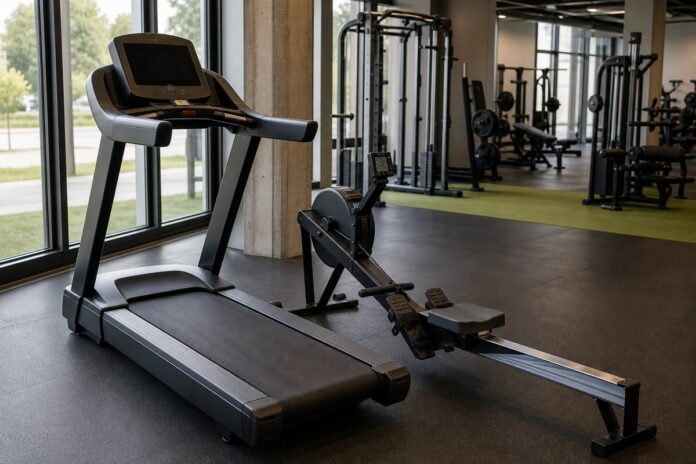
When the treadmill line is long and you still want to get your cardio in, the rower can be a smart backup. According to the report, both machines are solid choices for cardiovascular fitness, but they work the body in different ways and may suit different goals. The treadmill is closer to outdoor walking, jogging, or running, while the rower brings the upper and lower body into the effort at the same time.
On a treadmill, the legs do most of the work, with the quads, hamstrings, glutes, core, and calves helping drive each step. That makes it useful for building power, speed, endurance, and lower-body strength. The tradeoff is impact: running and jogging place more stress on the joints, which can be helpful for bone density but may not be ideal for people with joint concerns or prior lower-body injuries.
The rower, by contrast, is described as a full-body, low-impact option that recruits the upper back and biceps along with the legs, especially the quads and glutes. Because more muscles are involved, it can create a higher energy demand and raise oxygen use even at moderate intensity. According to the report, that can make the rower especially appealing for people looking for efficient calorie burn or a joint-friendly workout, though the machine is more technical and good form matters.
For weight loss, the rower may have an edge in theory because it asks more of the body, but the report emphasizes that consistency matters most. The best machine is the one you will actually use regularly. For strength, the treadmill can help when used with incline, but the rower is said to offer more whole-body resistance. For cardiovascular health, both can be effective, and the real difference comes down to how often and how intentionally they are used.
Source: womenshealthmag.com