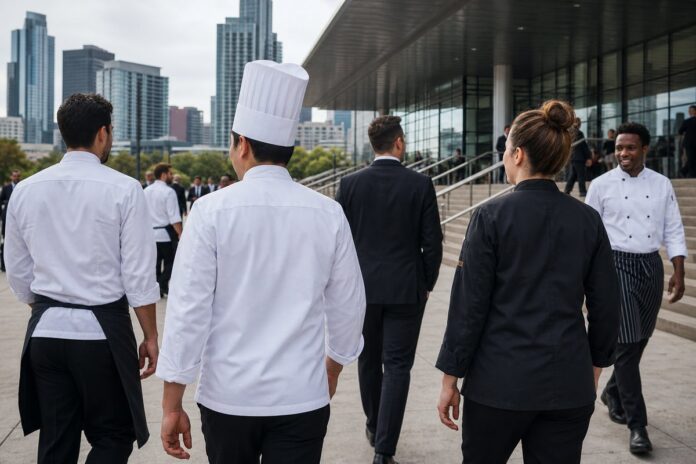
The James Beard Awards have been tied to Chicago since 2015, and over the years the ceremony has become closely associated with the city. Each year, chefs, bartenders, and other food professionals travel there hoping to take home one of the industry’s biggest honors. But that long-running partnership may be nearing its end: Chicago’s contract with the James Beard Foundation runs through 2028, and the foundation is now exploring other cities to host the awards beginning in 2029.
According to reporting shared by the James Beard Foundation, the awards generate significant economic activity for their host city. The figure cited includes $8.3 million in direct spending, along with more than $1 million in state and local tax revenue. That kind of impact helps explain why cities compete for major food-world events, especially as culinary recognition can translate into tourism, visibility, and broader buzz.
More food news making the rounds
The same roundup also noted several other food-related stories. General Mills recalled nearly a million Pillsbury bread rolls because they may contain glass, and cyclospora concerns prompted renewed attention to the safety of fresh produce. The parasite has been linked to items such as berries, lettuce, and snow peas, though the report said produce that is peeled before eating, like bananas and avocados, is generally considered safer if washed properly.
Elsewhere, a heated online debate broke out over a $38 basturma brisket sandwich at Los Angeles restaurant Yerord Mas. After a creator posted a negative review, the restaurant owner initially pulled the sandwich from the menu, only to bring it back after strong demand from customers and online commenters. The dish, made with about a half pound of Wagyu beef and topped with Gruyère mornay sauce, is now once again the restaurant’s top seller, according to the report.
The roundup also pointed to the growing business of line standers, people paid to wait in line for others. The practice has existed for years, with services once used for product launches and trendy food releases, and it remains a niche but persistent part of modern food and shopping culture.
Source: bonappetit.com