Black women face some of the starkest breast cancer outcomes, according to the report: they are diagnosed at a younger median age than white women, are more likely to die from the disease, and have the lowest survival rate across every known stage. The article also notes that about one in five Black women with breast cancer are diagnosed with triple-negative breast cancer, a harder-to-treat form of the disease. But the stories in the piece focus on what those numbers cannot measure: resilience, family support, faith, humor, and the determination to keep going.
Among the women highlighted is Monique Bass, who spent years questioning a lump that was first found during a self-exam and was eventually diagnosed as stage 1 invasive ductal carcinoma after she pushed for surgery and testing. Her treatment included chemotherapy and radiation, and she later created a nonprofit to support other patients. Jaqueline Beale, who also discovered a lump through self-exam, found strength in laughter and the people around her as she moved through a stage 1 diagnosis and treatment. Another woman, Annita White, was late for a mammogram because of the demands of work, parenting, and school, but when a mass was found, her diagnosis forced her to confront a new reality.
Community, purpose, and a new perspective
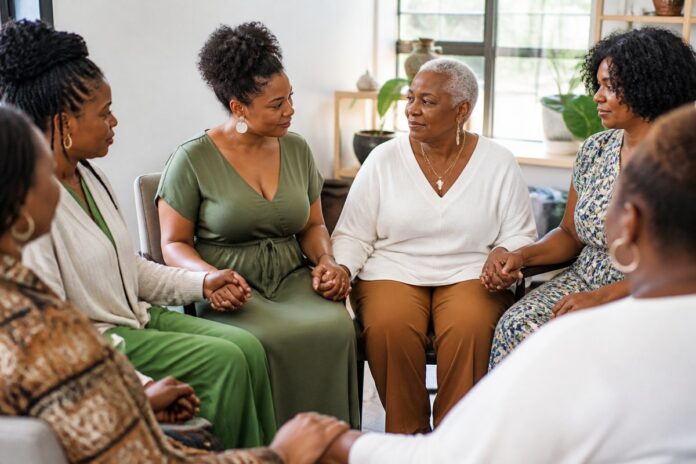
The article presents these women not as statistics, but as people whose lives were altered and expanded by cancer. Some leaned on faith, some on family, and some on the ability to laugh through fear. Others turned their experiences into advocacy or support for fellow patients. Together, their stories show how a diagnosis can bring profound loss while also opening the door to purpose, connection, and a different understanding of survival.
Across the profiles, the common thread is not a single path through treatment, but a shared refusal to be defined only by illness. The women described in the report found ways to keep living fully, even while facing chemotherapy, surgery, radiation, and the emotional weight of uncertainty. Their experiences, as presented in the article, point to a broader truth about health and wellbeing: surviving breast cancer often depends not only on medical care, but also on the human networks and inner resolve that help people endure what comes next.
Source: self.com