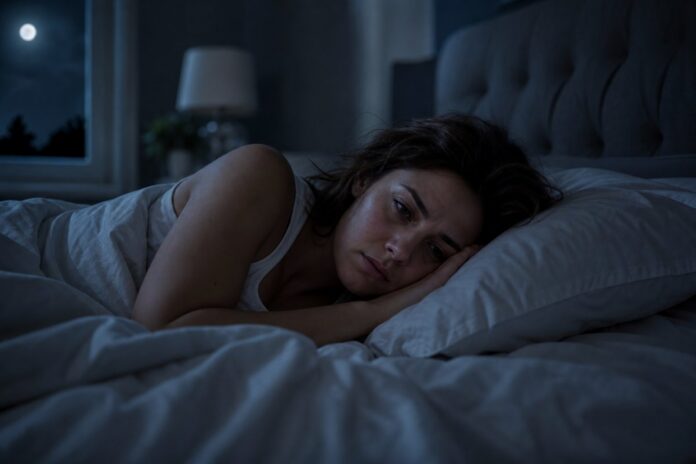
Obstructive sleep apnea is often thought of as a condition that mainly affects older men who snore loudly, but the report says that picture leaves out a lot of women. Researchers began recognizing in the 1990s that the disorder can show up differently in women, and those differences matter because the symptoms are often vague, easy to overlook, and sometimes blamed on other issues.
Rather than the classic loud snoring and gasping that are commonly associated with sleep apnea, women are more likely to report nightmares, repeated awakenings, trouble staying asleep, insomnia, daytime fatigue, morning headaches, and mood changes. The report says women also tend to have more hypopneas, or shallow breaths with reduced oxygen flow, while men more often experience full pauses in breathing. Biology may help explain some of this: women generally have smaller, more stable airways, less neck fat, and before menopause may benefit from the effects of estrogen and progesterone on breathing.
Those hormonal shifts help explain why the condition becomes more common and often more severe after menopause. In the United States, men still account for a larger share of obstructive sleep apnea cases, but the report notes that rates in postmenopausal women rise sharply and can approach those seen in men over 50. Even when women have a milder form of the disorder, they may still experience significant sleep disruption and daytime symptoms because of subtler breathing disturbances that reduce overall sleep quality.
Misdiagnosis is another major issue. According to the report, women are often sent down the wrong path because their symptoms are attributed to depression, anxiety, insomnia, or menopause instead of sleep apnea. Men are far more likely to be referred for testing, while women who say they feel tired or sleep poorly may not be screened right away. The result is that a condition that can have serious health consequences may go unrecognized in women for much longer than it should.
Source: self.com